
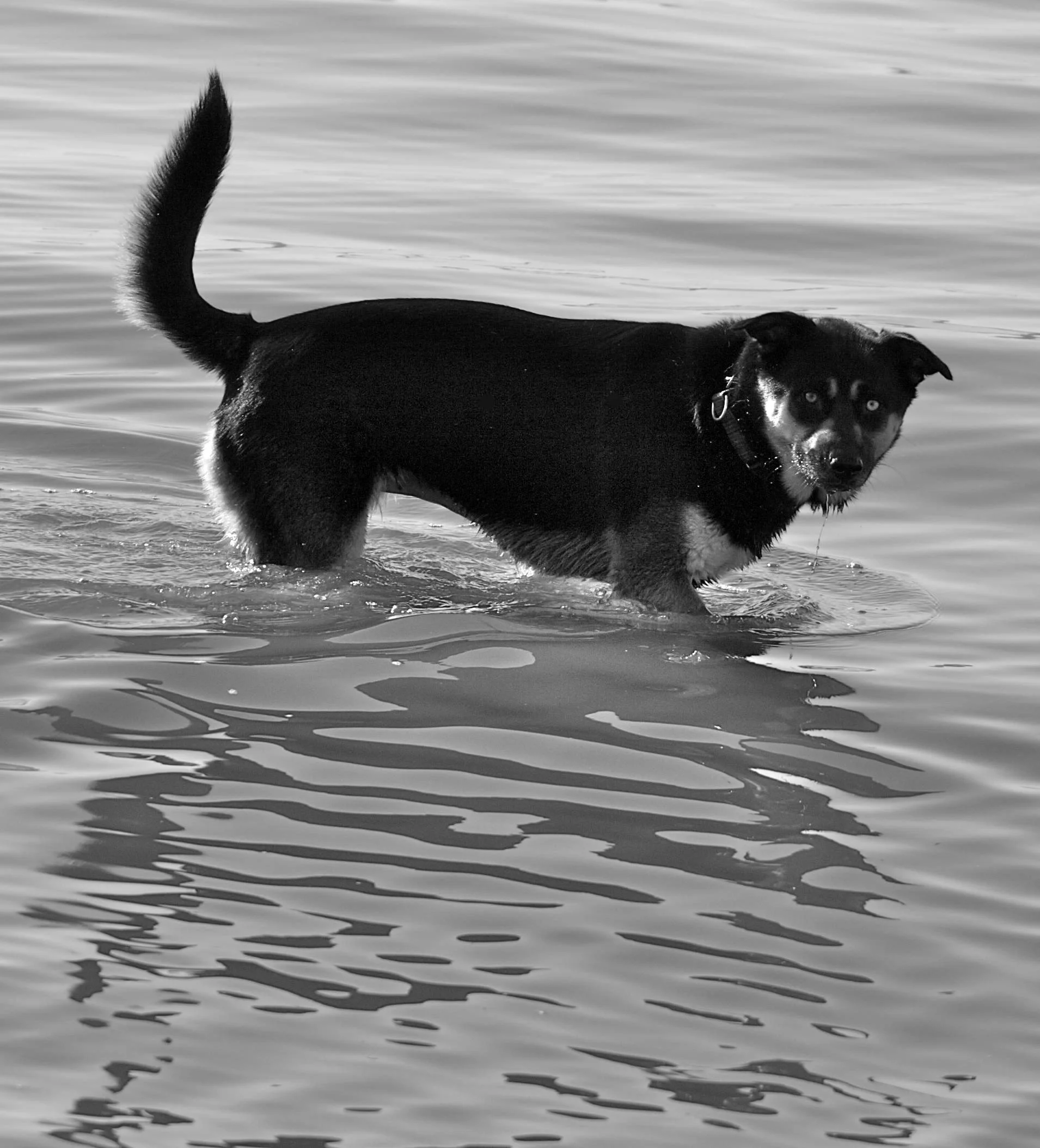
Loggers are literal-minded. When they fell timber, they yell, “Timber! If trees are cut into slabs, they call it, “slab cut.” Logs sawn into quarters are, “quarter sawn,” and so on.
Fun people to party with.
Little John carried a quarter staff and if you ask me how it was cut from a tree, I will surely scream. Robin Hood’s bow was made of ash and Little John’s staff made of oak, and Shakespear wrote Hamlet, which is far more interesting.
The man who freed the Black Dog had a quarterstaff made of Maple. With one end planted on the ground, the other end just brushed his chin. Swung with all his strength, the man could not break it against a tree.
Robin Hood met Little John at a fallen log that spanned a creek. They fought and Little John knocked Robin into the water. Trickster Robin then asked for help and pulled Little John in. After much splashing they became friends, and the legend of Robin Hood was born.
But this is not the tale of Robin Hood, nor is it, Hamlet. This is the legend of Echo the Black. It is the tale of how Echo and the man with the quarterstaff became friends.
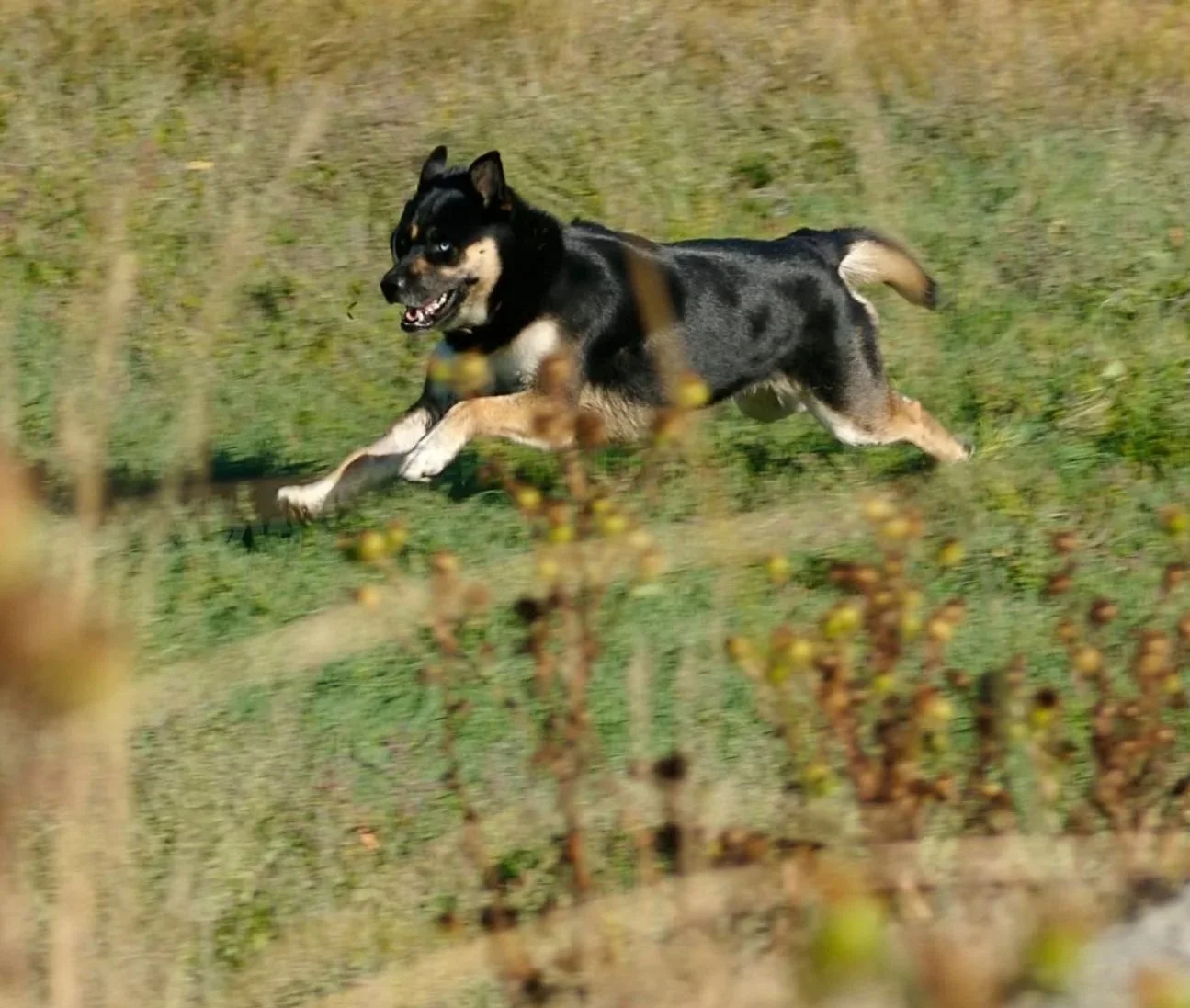
On the southern shore of Port Townsend Bay lurks NAVMAG Indian Island. NAVMAGII is the second largest ammo dump on the west coast. One spark and the city to its north is only a memory.
From the Indian Island bridge, down to the isthmus, the beaches are public. Both are known for their steep cliffs and miles shoreline that once fed the people that migrated here after glaciers and floods carved the Salish Sea.
The waterway under Indian Island Bridge was once a river that reversed with every tide. The Chimacum Nation stood watch over the only safe place to cross, demanding payment for safe passage to the shellfish-rich beaches.
The Chimacum People are gone and their portage dredged, but the river remains. On some days the Chimacum Portage flows as fast as seven knots.
Into this tempest, Echo the Black went swimming. She plunged in at the Nordland ferry landing on Earl’s beach. Earl was nearly a century old by then and would watch from his window as Heron made high steps through the shallows.
The Black Dog would try to dart past the man with the leash, and run back up Old Ferry Road, but her companion persisted, pinning her against the cliffs, until the day she barked at him in fury, turned towards the water… and did what no sane dog should.
The northbound current snatched her, and soon she was nothing more than a black smudge against the whitecaps.
The rip spun Echo around as she paddled along, her dense undercoat trapping just enough air to keep her head above the growing crests. She swam abeam Chimacum creek, where its steady outflow spun her into a eddy near Crane Point. The navy’s security cameras caught her coming ashore two miles to the north… and the chase was on. Island-wide, the public address systems crackled, “There’s a dog inside the security fence,” and the legend of Echo the Black was born.
The man with the leash cut through Earl’s yard on his way up the hill, receiving a thumb’s up from the man in the wicker chair.
“Which way, this time?” A man raking leaves asked as he ran past.
“She’s in the bay!”
“She’s not worth the trouble…” the neighbor called after him, “… The bitch keeps digging holes in my yard!”
The man with the leash paused at the summit of Laurel Street and scanned the bay. Far off, he could see Indian Island’s western shore, where flashing blue lights were converging on a black streak.
“Good luck with that, he muttered.”
His black Ford Ranger barreled over the Indian Island bridge, taking a gravel-slinging right into Lions Club Park.
Armed with sliced hot dogs, the leash man scrambled down the steep trail onto the beach. A stiff southerly was blowing, as he raised the treat high, hoping for a miracle.
In less than twenty minutes, Echo had escaped the razor-wire-topped fence.
Still damp from her swim, she trotted up, gobbled the handful, climbed the hill, hopped into the Ranger, and ignored the driver.
Once home, Echo drained her water bowl, made three precise circles, lay down, and fell asleep until dinner.